
A capsule wardrobe is a small set of clothes designed to mix, match, and cover your real life — work, movement, weather, and taste — without constant shopping. The idea is older than social media, but it matters more now: fashion overproduction and fit-driven returns mean every unnecessary piece has a footprint. The goal is not austerity. It is coherence: fewer items that fit well, last, and replace the chaos of a closet full of 'almost right' purchases.
What a Capsule Wardrobe Actually Is (and Isn't)
It is not a rigid number like '33 pieces forever.' It is a functional set sized to your climate, job, and activities. A yoga instructor in Bangkok needs a different capsule than a lawyer in Chicago.
It is not buying a beige Pinterest uniform. Color palette should reflect what you wear, not a trend board. If you never wear camel, do not build around it.
It is not incompatible with activewear. For many people, 2–3 pairs of tights or pants that fit perfectly, 4–5 tops, one layer, and shoes cover 80% of movement days. The leverage is fit and durability, not quantity — see Designing for Bodies, Not Trends.
How to Build Yours: Audit, Gaps, Rules
Audit what you already wear. Pull what you reached for in the last 60 days. Note why the rest failed: bad fit, wrong fabric, wrong formality, impulse trend buys. Fit failures are the top reason unworn clothes accumulate — Why Clothing Sizes Don't Exist explains why labels mislead.
Define gaps, not fantasies. One list: 'need black full-length tight for teaching, waist 28, rise long.' Specific beats 'need black leggings.' Measure once using How to Measure Your Body so replacements are repeatable.
Set rules that reduce regret: one-in-one-out for similar categories, 48-hour wait on non-essentials, quality floor on high-wear items (seams, fabric weight, return policy). Capsules fail when cheap staples break and trigger another shopping spiral.
Fit and Materials for Pieces That Stay
Fit is the capsule's engine. A perfect color in the wrong rise will not rotate. Prioritize rise, inseam, waist, and shoulder fit over brand hype. Made-to-measure or body-mapped sizing removes the bracketing habit that bloats closets and returns — covered in Made-to-Measure vs Bespoke vs Custom.
Choose materials for the job: merino or quality cotton for daily tops, high-denier nylon blends for tights if you need performance, natural fibers where stretch demands are lower. Our Sustainable Materials Guide explains tradeoffs — lifespan usually beats a single 'eco' fiber label.
Neutral anchors + a few signature colors simplify mixing. Two bottoms, four tops, one outer layer, and shoes that match your real week often outperform a large wardrobe with nothing that goes together.
Maintaining the System Without Boredom
Seasonal swap, not total rebuild: store off-season items; refresh one or two pieces when worn out, not every trend cycle.
Repair and alter before replace: hem, elastic refresh, seam reinforcement. Capsules reward maintenance culture — aligned with Why Clothes Used to Last Longer.
When you add, subtract or upgrade. The capsule stays small only if entry has a cost. That discipline pairs with sustainability: less cost of guessing your size, less closet churn, more wear per garment.
Frequently Asked Questions
How many pieces should a capsule wardrobe have?
There is no universal number. Most people land between 25–40 pieces including shoes and outerwear for a full year, but climate and lifestyle matter more than a target count. Start with what you actually wear weekly, then fill specific gaps.
Can a capsule wardrobe include activewear?
Yes. For movement-heavy lives, 2–3 well-fitting bottoms and a handful of tops that mix with casual layers can be the core. Fit and durability matter more than having every color variant.
How does a capsule wardrobe help sustainability?
It reduces impulse buys, overproduction at your end of the supply chain, and returns from poor fit. Fewer, longer-worn garments lower per-wear impact more than occasional 'eco' purchases that rarely leave the closet.
Should I throw everything out to start a capsule?
No. Start from high-use favorites, donate or sell what never fits, and replace only true gaps with better-specified purchases. Sudden purges often lead to rebuying the same mistakes.
What if my body size changes?
Capsules should flex with you. Re-measure periodically; alter where possible; replace only categories that no longer fit. Body-aware or made-to-measure brands reduce the cost of sizing changes versus starting over with size charts.
Related Reading
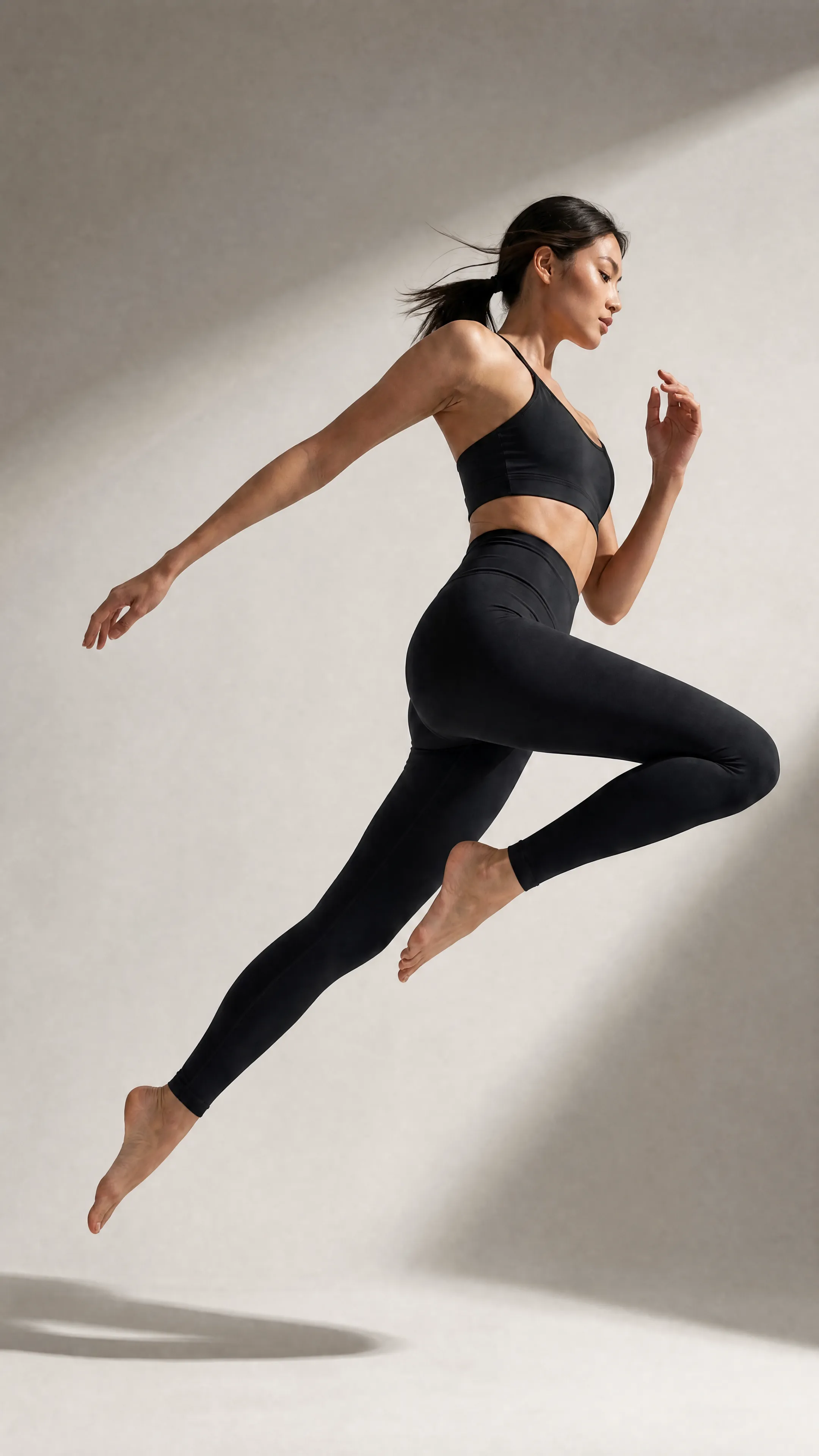
Best Leggings for Pilates vs Yoga: What's Actually Different?
Movement patterns, fabric needs, and rise preferences for mat-based training.
Best Leggings by Workout Type: Yoga, Hot Yoga, Barre, Pilates, Running
Match fabric weight, compression, and waist security to the movement.

What to Wear to Your First Yoga Class: Leggings, Tops, and Layers
Fitted bottoms, breathable top, layer for savasana — skip cotton and excess jewelry.