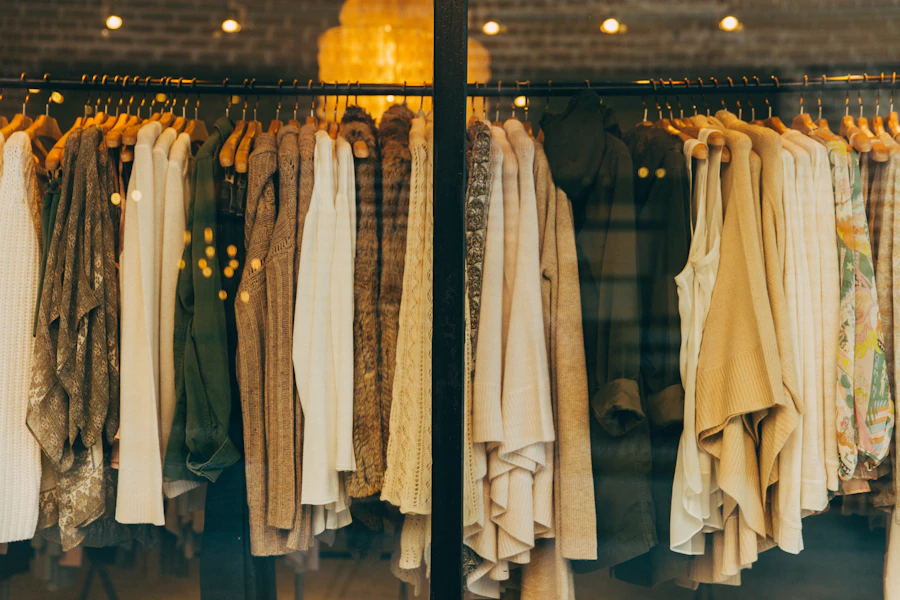
We keep garments that feel like us: balanced ease, the right length, comfort without slop. These pieces become part of our identity—they're not just clothes, they're extensions of how we move through the world. Understanding why fit drives attachment helps explain why some garments stay in our wardrobes for years while others are discarded quickly.
Why Fit Creates Attachment
Fit removes friction. When a garment fits well, you don't think about it. It doesn't pull, tug, or require constant adjustment. This absence of friction creates comfort, and comfort creates attachment. You reach for garments that fit well because they feel right, not because they look right.
Fit enables confidence. When clothes fit properly, you move naturally and feel comfortable in your body. This confidence extends beyond the garment—you feel better about yourself when you're wearing clothes that fit. This psychological benefit creates strong attachment to well-fitting pieces.
Fit becomes identity. Garments that fit well become part of how you see yourself. They're not just clothes—they're expressions of who you are. This identity connection creates lasting attachment, making you reluctant to part with pieces that fit well, even when they're worn or outdated.
Why Poor Fit Creates Rejection
Poor fit creates constant friction. When clothes don't fit, you're constantly aware of them—pulling, adjusting, feeling uncomfortable. This friction creates negative associations, making you avoid those garments. They become reminders of discomfort, not sources of confidence.
Poor fit undermines confidence. When clothes don't fit, you feel self-conscious about how you look and move. This undermines confidence and creates negative associations with the garment. You're less likely to wear poorly fitting pieces, and more likely to discard them quickly.
Poor fit prevents identity connection. Garments that don't fit can't become part of your identity because they don't feel like you. They feel like someone else's clothes, not yours. This prevents attachment and makes it easy to discard them.
How Fit Extends Lifespan
Better fit means more wear. Garments that fit well are worn more often because they're comfortable and confidence-building. This increased wear might seem like it would shorten lifespan, but the opposite is true—garments that are worn regularly are also cared for regularly, which extends lifespan.
Better fit reduces stress on fabrics and seams. As we explain in Why Clothes Used to Last Longer, garments that fit well spread load evenly, reducing stress at specific points. This reduces wear and extends lifespan. Poor fit creates stress points that fail faster.
Better fit enables repair and alteration. Garments that fit well can be altered as your body changes, extending their lifespan. Poorly fitting garments are harder to alter and more likely to be discarded. Fit enables longevity by making garments adaptable.
Designing for Attachment
Designing for attachment means prioritizing fit over trends. As we cover in Designing for Bodies, Not Trends, garments that fit well are kept longer. Better fit extends lifespan and creates attachment, making pieces worth designing for.
Consistent fit builds trust. When brands deliver consistent fit, customers develop trust and attachment. They know what to expect and can rely on fit, which creates loyalty. Inconsistent fit breaks trust and prevents attachment.
The future of fashion is fit-first. When garments fit well from the start, they create attachment, extend lifespan, and reduce waste. This is why body-aware sizing and made-to-measure approaches are the future—they prioritize fit, which creates the attachment that keeps garments in use.
Frequently Asked Questions
Why do I keep some clothes for years?
Fit drives attachment. Garments that fit well remove friction, enable confidence, and become part of your identity. This creates strong attachment, making you reluctant to part with pieces that fit well, even when they're worn or outdated.
Why do I discard some clothes quickly?
Poor fit creates rejection. When clothes don't fit, they create constant friction and undermine confidence. This creates negative associations, making you avoid those garments and discard them quickly. Poor fit prevents attachment.
Does fit really affect how long I keep clothes?
Yes. Garments that fit well are worn more often, cared for regularly, and create attachment. This extends lifespan and makes you reluctant to part with them. Poor fit creates rejection and shortens lifespan.
How can I create attachment to my clothes?
Start with fit. Garments that fit well remove friction, enable confidence, and become part of your identity. This creates attachment. Look for brands that deliver consistent fit, or consider made-to-measure approaches that start with your body.
Is it worth investing in better fit?
Yes. Better fit extends lifespan, creates attachment, and reduces waste. Garments that fit well are kept longer, worn more often, and create confidence. This makes better fit a good investment, both financially and psychologically.