Fit & Sizing
Body measurements, sizing systems, and fit technology
Clothing sizes are marketing artifacts, not measurements. A size 8 in one brand might fit like a 12 in another. This inconsistency drives 70% of online clothing returns—creating waste, frustration, and cost. Our fit and sizing coverage explains why sizes are unreliable, how to measure your body correctly, and how technology is finally making body-aware sizing practical.
Key Statistics
Key Terms
Vanity Sizing
The practice of labeling garments with smaller size numbers than their actual measurements to make customers feel better about their purchases.
Size Block
A brand's base pattern from which all sizes are graded. Different brands use different blocks, causing size inconsistency.
Made-to-Measure
Garments made by adjusting an existing pattern to your specific measurements, offering better fit than off-the-rack without full bespoke construction.
Bespoke
Garments made from scratch using a pattern created specifically for your body, typically through multiple fittings.
Latest Articles

Why Clothing Sizes Don't Exist
A calm explainer on inconsistency and why fit feels random.

How to Measure Your Body (Most Guides Are Wrong)
Practical, non-fussy steps to get repeatable measurements at home.

Made-to-Measure vs Bespoke vs Custom
Clear differences, when each makes sense, and why cost varies.

Why Online Clothing Returns Are So High
Fit uncertainty, cost to brands, and what better sizing looks like.
Why Southeast Asian Tailors Take 30+ Measurements (And What That Has to Do With Yoga Pants)
Traditional tailoring captures your body at 30 to 45 individual points. Standard clothing sizes use 2 or 3. Here's what that gap costs you every time you put on activewear.
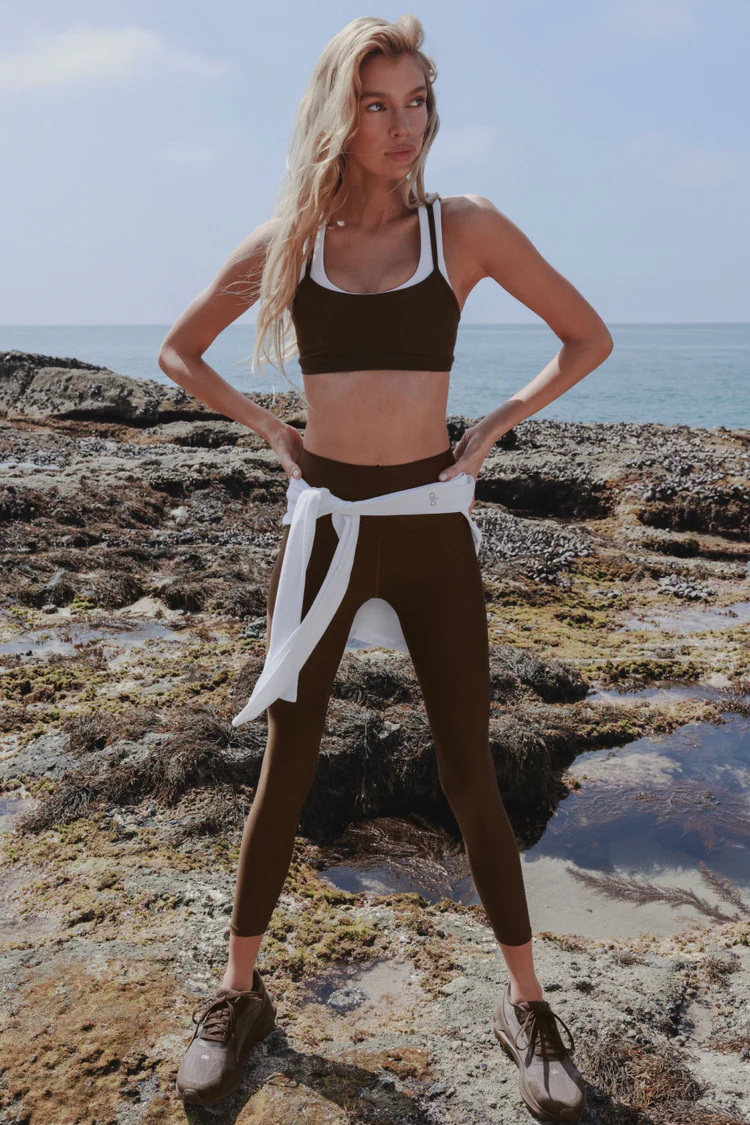
Alo Yoga vs. Lululemon: An Honest Comparison (And Why Neither Solves the Fit Problem)
Pricing, fabrics, sizing, durability, and sustainability — a side-by-side look at the two brands that define the premium yoga pants market, and what both are missing.
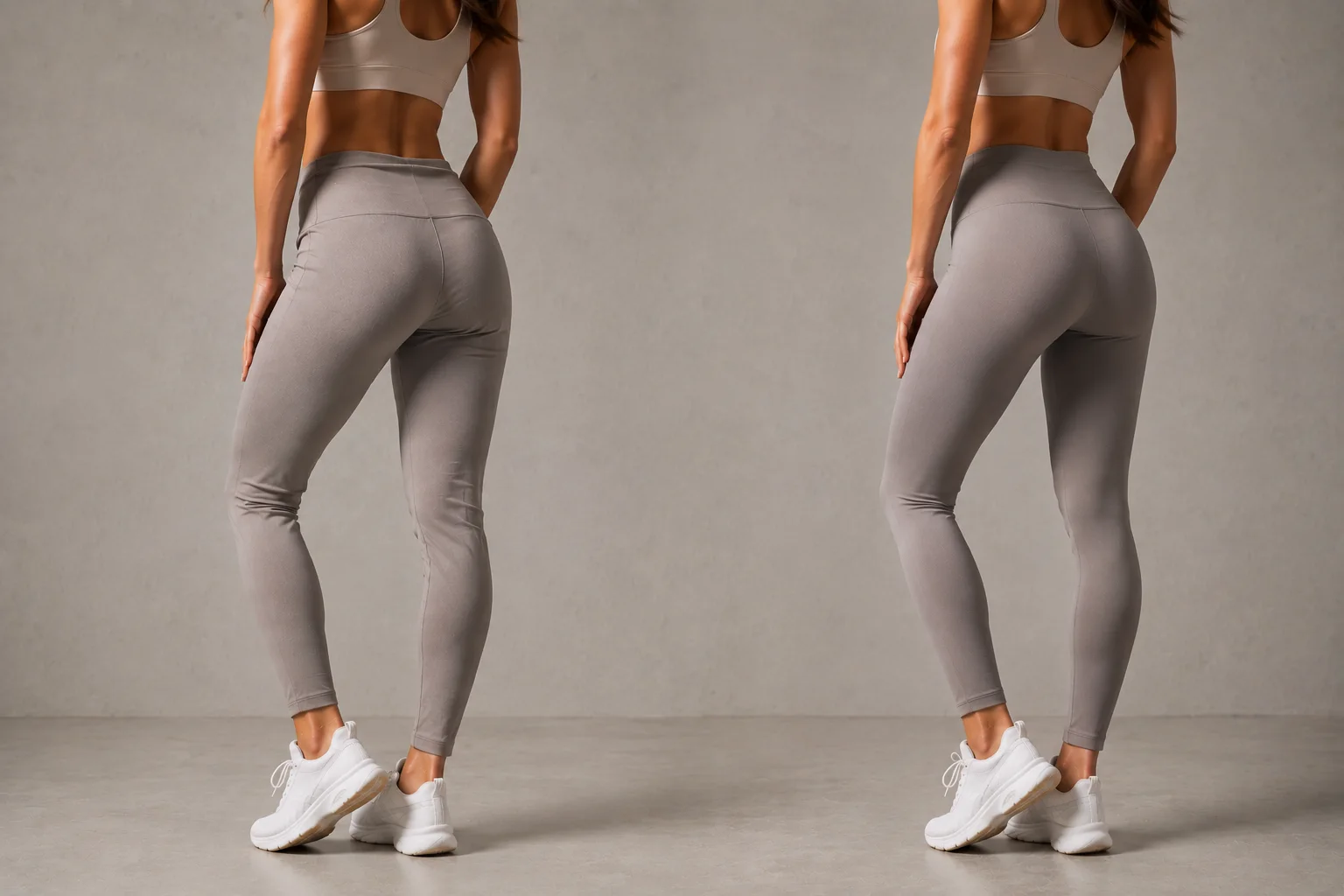
Lululemon vs Vuori vs Alo: Which Yoga Pants Brand Fits Best?
A three-way comparison of fit, fabric, price, and who each brand is actually built for.
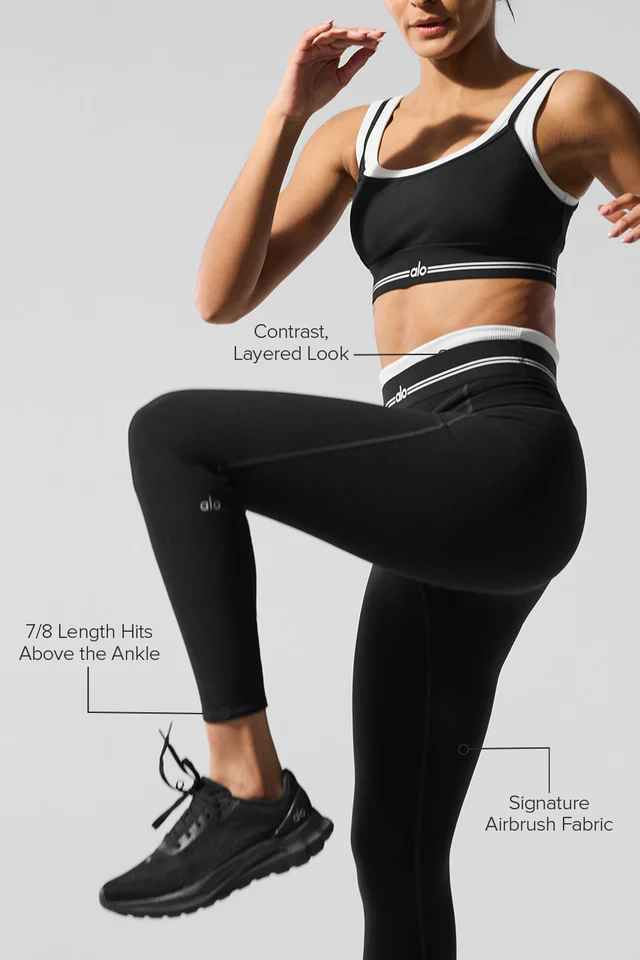
Vuori vs Lululemon: Comfort, Fit, and Fabric Compared
Two California-adjacent premium brands — one built for performance, one for everyday ease.
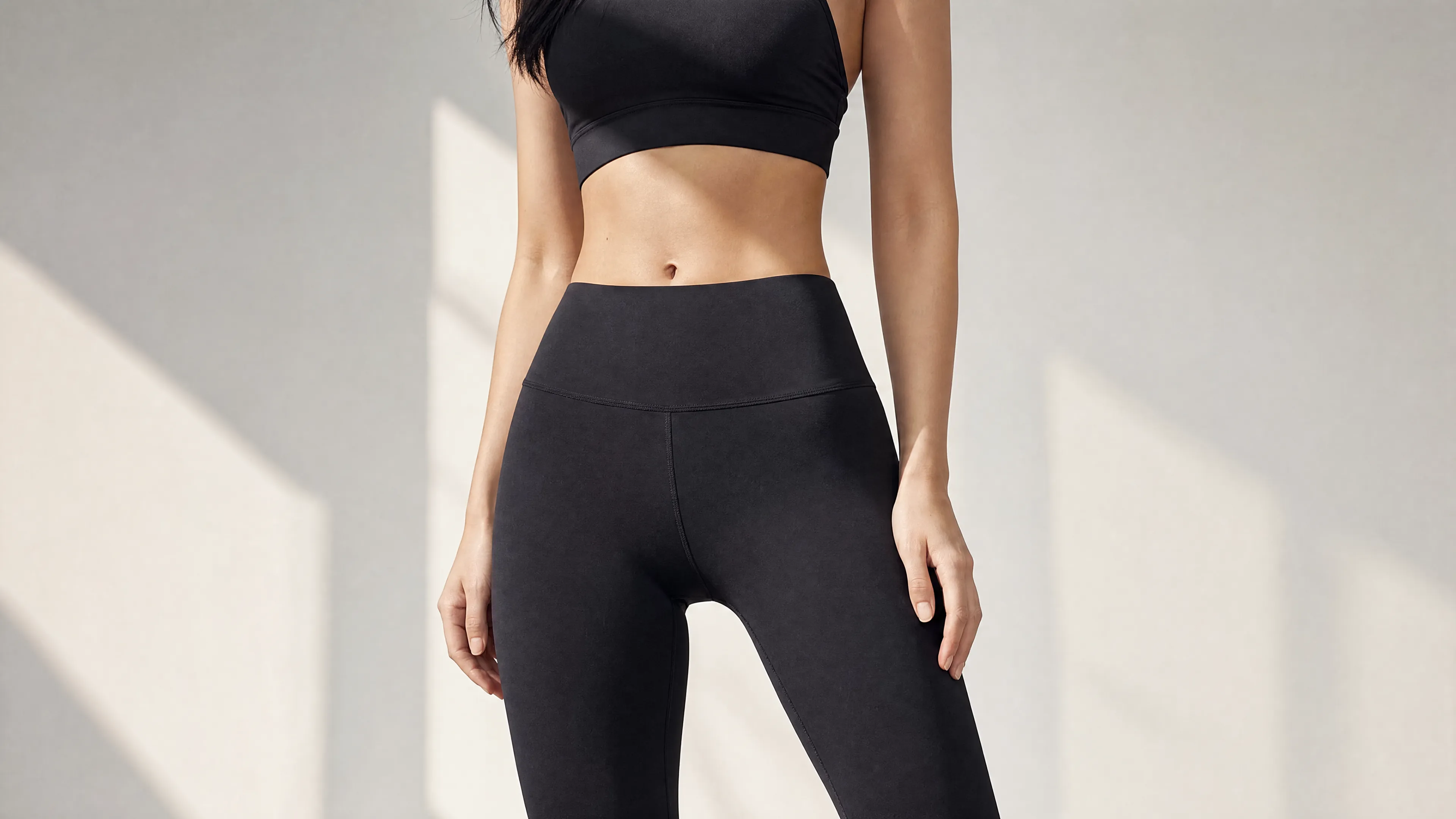
How to Find Yoga Pants That Fit Your Body (Not a Size Chart)
Waist gap, rise, length, and compression — a practical fit checklist for leggings.

High-Rise vs Mid-Rise vs Low-Rise Yoga Pants: Which Rise Fits You?
Rise changes coverage, comfort in bends, and waist security — match it to your torso.
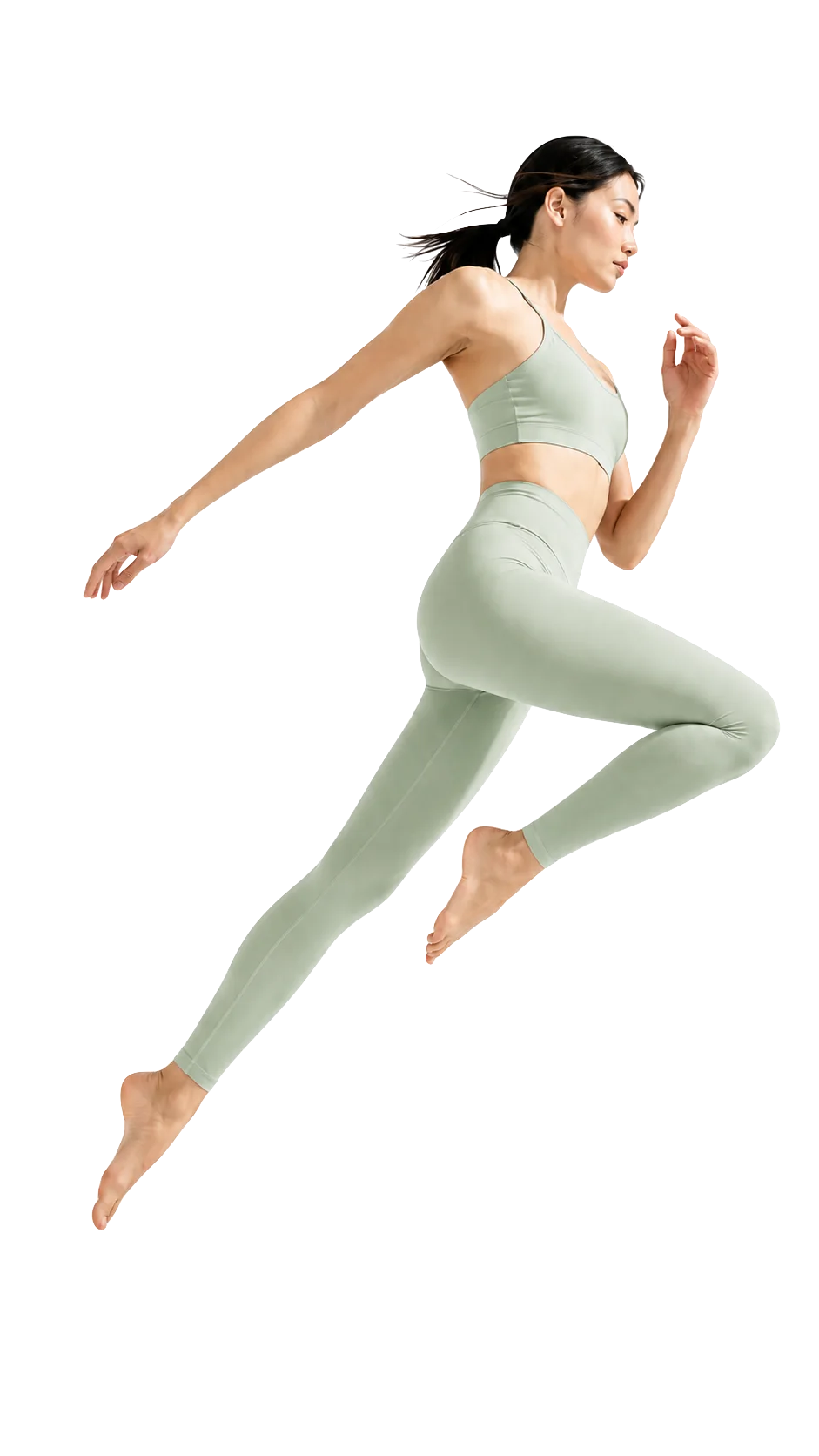
Knot vs Lululemon Align: Custom Fit vs the Best-Selling Yoga Legging
Body-scan made-to-measure against Nulu — price, fabric, fit, and who each serves.
Alo Yoga vs Vuori: Compression Aesthetics vs California Comfort
Fabric specs and fit behavior at the $90–$120 tier.
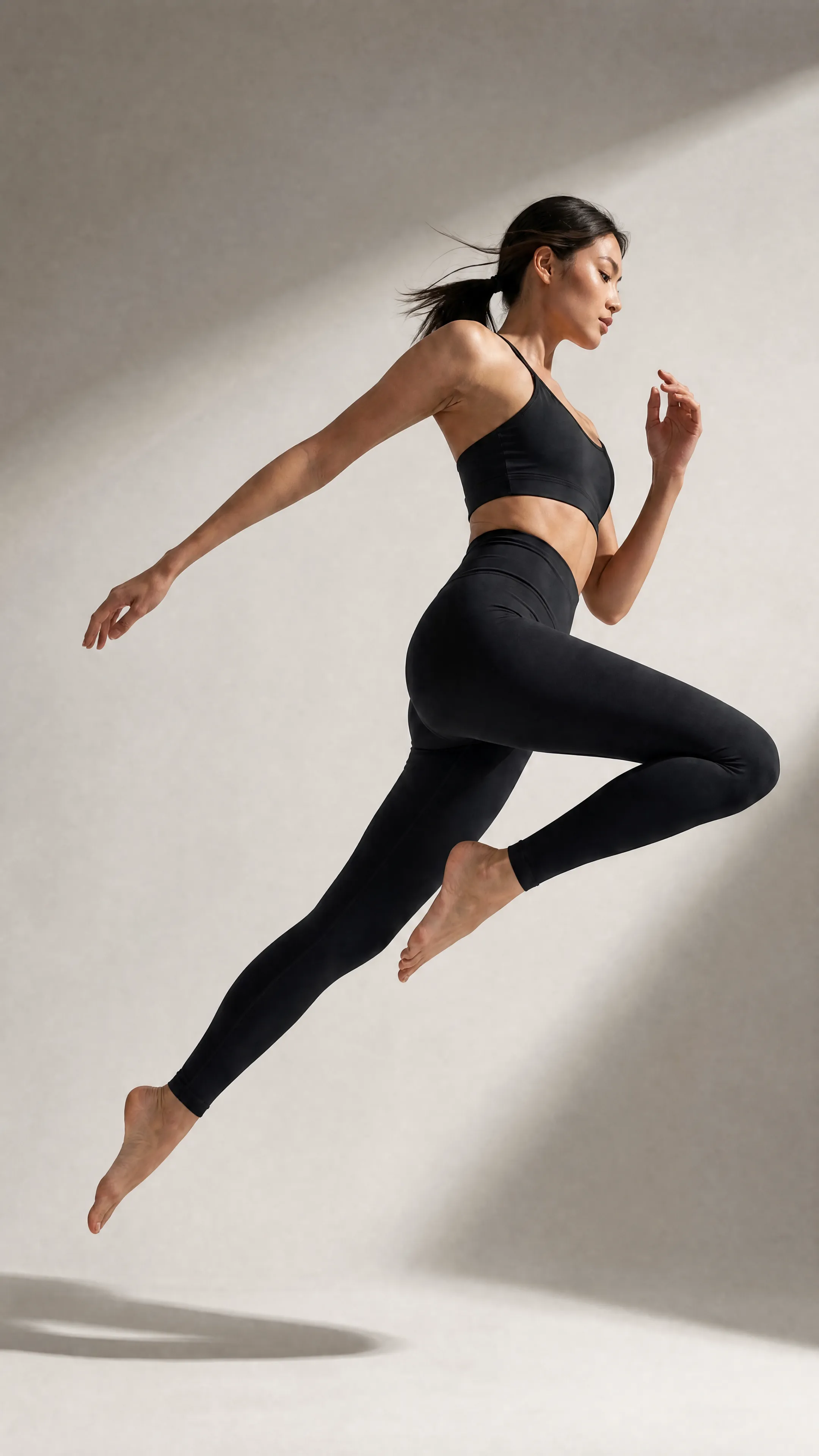
Gymshark vs Lululemon for Yoga: Budget Performance vs Premium Nulu
Which brand matches studio practice — not just Instagram?
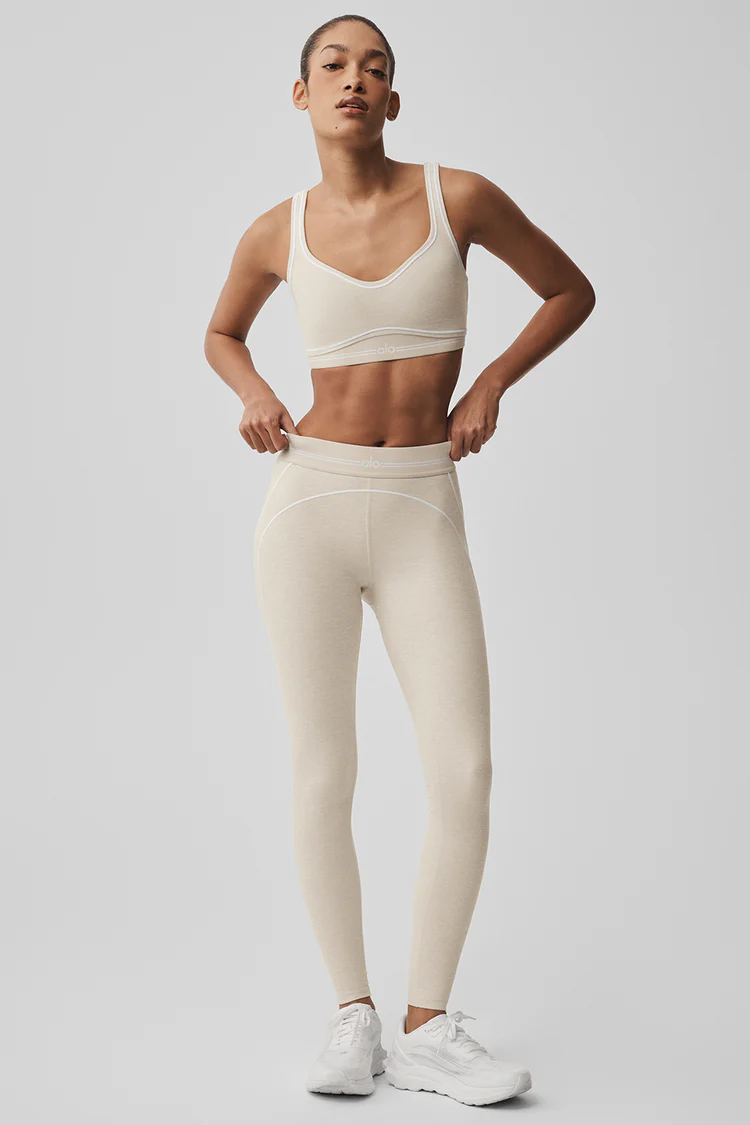
Beyond Yoga vs Lululemon: Softness, Sizing, and Studio Performance
Spacedye polyester blend vs Nulu nylon — two 'buttery soft' philosophies.
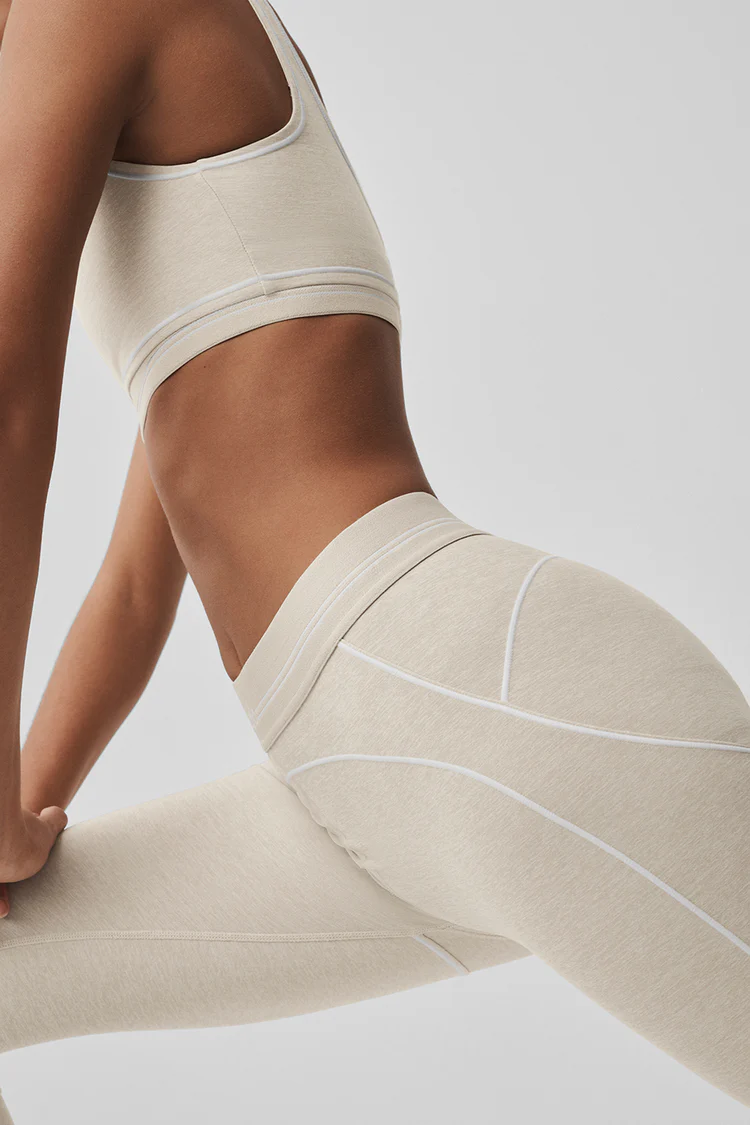
Athleta vs Lululemon Sizing: Inclusive Lengths and True-to-Size Reality
Powervita vs Nulu — how Athleta's XXS–3XL and petite/tall options compare.
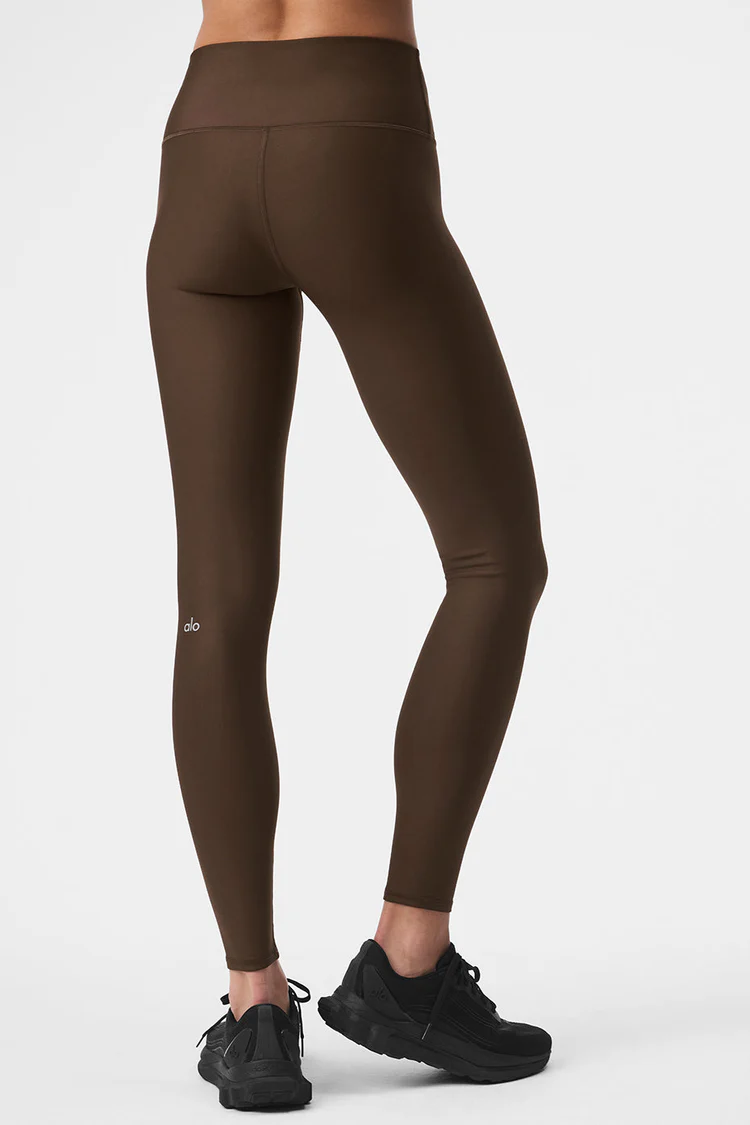
Yoga Pants for Different Body Types: Pear, Apple, Athletic, and Hourglass
Match rise, waistband, and compression to your proportions — not a trend.
How to Fix Waist Gap in Leggings (Without Sizing Up Into Baggy Thighs)
Curved waistbands, rise changes, and when custom fit is the only fix.
7/8 vs Full-Length Leggings: Inseam Guide by Height
Stop bunching at the ankle — match inseam to your leg length.
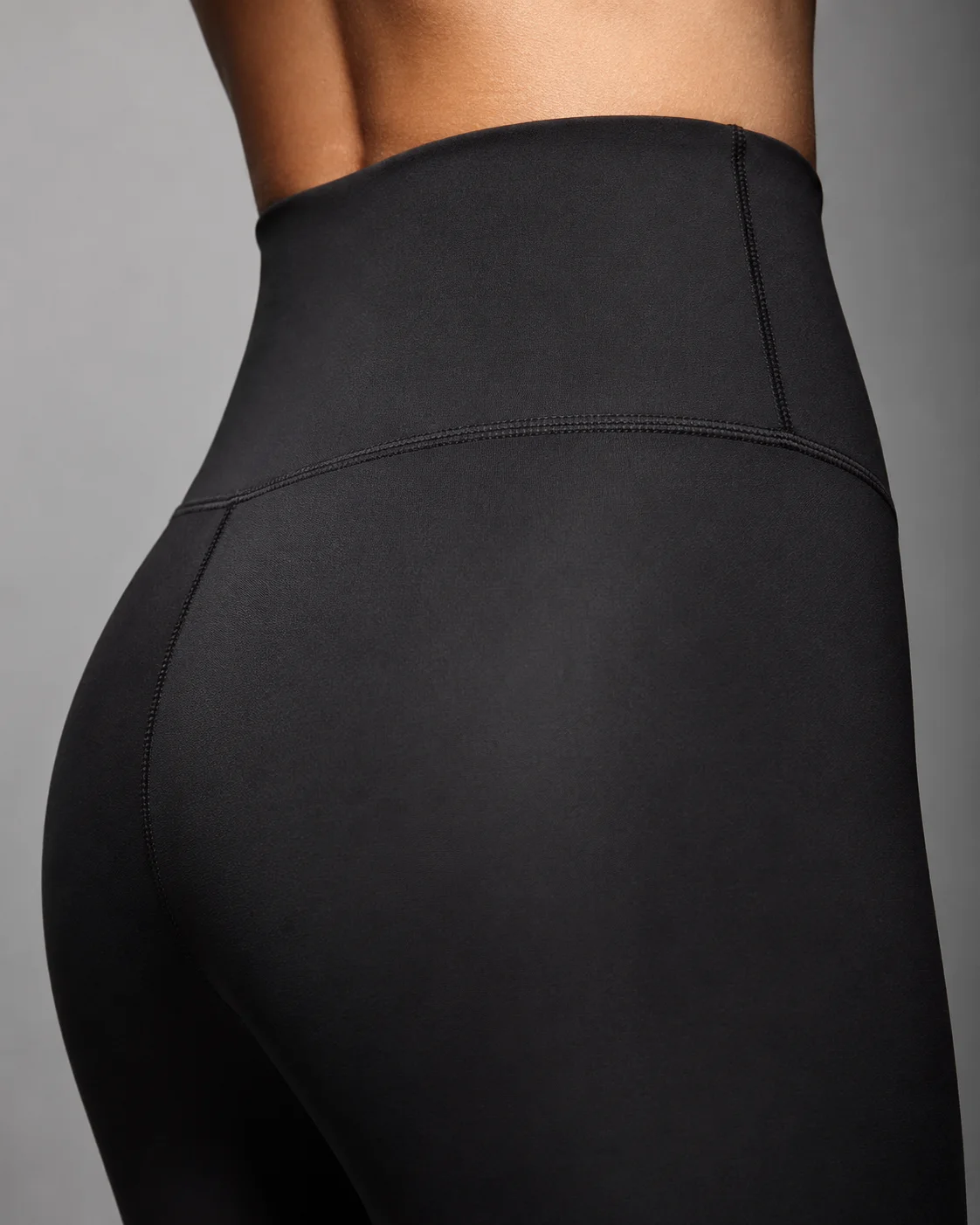
Compression Leggings for Yoga vs HIIT: How Much Squeeze You Actually Need
Light for yin, moderate for power yoga, high for HIIT — compression is not one setting.
Maternity Yoga Pants: Fit Through Trimesters and When to Remeasure
Over-bump vs under-bump, stretch recovery, and why pre-pregnancy leggings stop working.
Plus-Size Yoga Pants: Brands, Waistband Issues, and Custom Fit
GF 6XL, Beyond 4X, Athleta 3XL — inclusive sizing still isn't proportional fit.
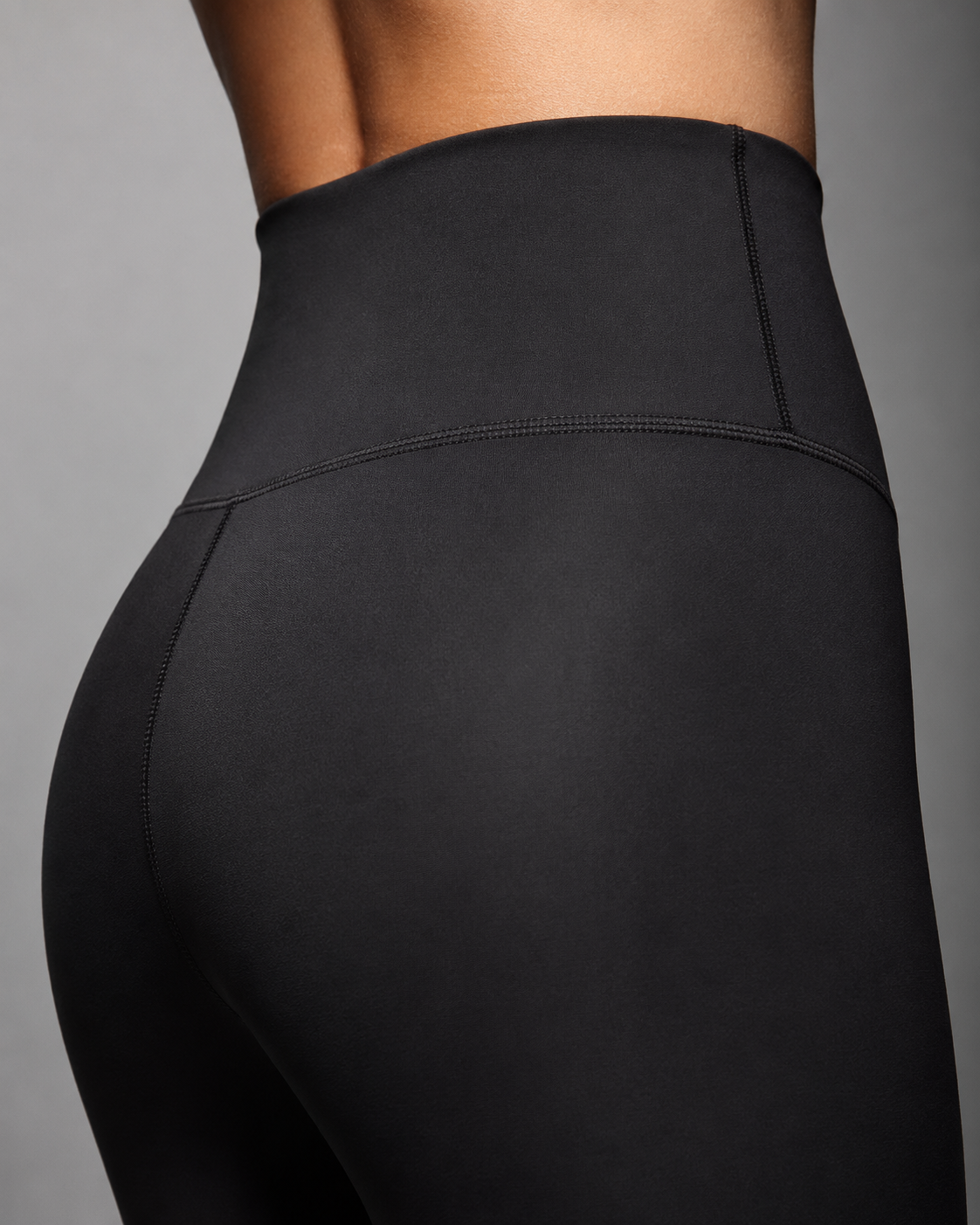
Leggings for Weightlifting vs Yoga: Thickness, Compression, and Squat-Proof
Deadlifts need dense knit; yoga needs maximum ROM — different engineering.
Made-to-Measure Yoga Pants: True Cost vs the Return Tax
When $128 custom beats three $98 leggings shipped back.
Frequently Asked Questions
Why don't clothing sizes match between brands?
There's no universal sizing standard. Brands create their own size systems based on their target customers, adjust sizes for marketing (vanity sizing), and change sizing over time. A size label is a marketing tool, not a measurement.
How can I find my size when shopping online?
Don't trust size labels. Instead, measure your body accurately (bust, waist, hip, shoulder width, inseam) and compare to the garment's actual measurements when provided. Body scanning technology is making this easier by capturing your dimensions and matching them to garments.
What's the difference between made-to-measure and bespoke?
Made-to-measure adjusts an existing pattern to your measurements—efficient and cost-effective. Bespoke creates a new pattern specifically for your body through multiple fittings—more expensive but handles unusual proportions better.