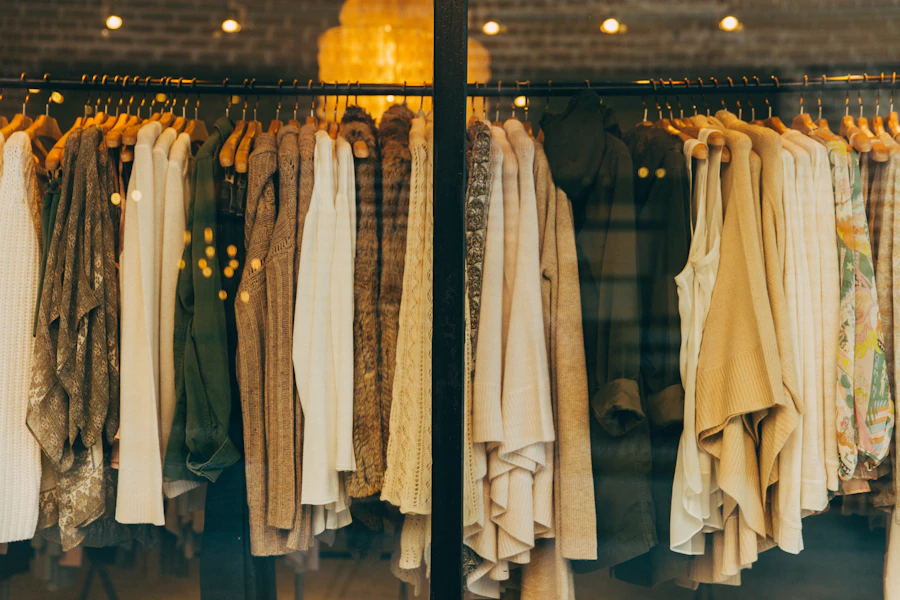
Getting clothes made in Southeast Asia is one of travel's genuinely underrated experiences — if you approach it correctly. Do it poorly and you'll fly home with a garment that doesn't fit and no recourse. Do it well, and you'll own something made specifically for your body that outperforms anything you've bought off the rack. Here is what experienced travelers know before they arrive.
Vietnam: The Gold Standard for Custom Clothing
Vietnam is consistently rated by experienced travelers as the strongest destination for custom clothing in Southeast Asia, for reasons that go beyond price. The tailoring culture here is deep: Hoi An alone has roughly 400 tailoring shops in a UNESCO heritage city of around 150,000 people, most of them multi-generational family businesses serving international visitors for decades. As we cover in depth in Hoi An: The 400-Year-Old City That Redefined What Clothes Should Feel Like, the craft tradition has real historical roots — it is not a tourist industry layered onto nothing.
Ho Chi Minh City offers a different experience. Fewer tourist-oriented shops, but multi-generational family tailors who have served local and expat clients for 20 to 40 years. Notable workshops include Duan Tailor (three generations of expertise, established heritage since 1990), H&D Bespoke (master tailor Ta Quoc Hung, third generation, 40+ years of family experience), and Viet Thanh Silk (over 20 years serving international clients). These tailors are not optimized for tourist turnaround — they are optimized for repeat clients who come back trip after trip.
For women's garments specifically — and for activewear — Vietnam's combination of precision measurement culture and strong regional access to quality stretch fabrics gives it a particular edge. The manufacturing ecosystem that produces Vietnam's $44 billion in annual garment exports means that suppliers of nylon-spandex blends, recycled performance fabrics, and technical textiles are accessible in ways they simply aren't in most tailoring destinations.
Thailand: Bangkok and Chiang Mai
Bangkok has a well-established tailoring scene, particularly for women's formal and business wear. LALEDA has operated since 1989, specializing in custom dresses, bespoke suits, and wedding gowns. Overseas Tailor has been award-recognized since 1999. The tourist-area shops concentrated on Sukhumvit Road offer convenience and quick turnaround — they also require more scrutiny, since high tourist footfall attracts a wide range of quality.
Chiang Mai is underrated for tailoring and often overlooked by travelers focused on Bangkok or Hoi An. Northern Thai tailors blend Lanna cultural aesthetics — Northern Thailand's distinctive design heritage — with contemporary garment construction. The pace is deliberate, the workshops are typically family-run, and multi-generational craft knowledge is common. For anyone with enough time to spend outside of Bangkok, Chiang Mai is worth serious consideration.
Thailand's general strength is structured formal wear: suits, blazers, fitted dresses. For activewear and stretch-fabric garments, Vietnam's manufacturing infrastructure and supplier relationships give it an edge. Thai tailors work excellently with woven fabrics; Vietnamese tailors have broader experience with technical knit fabrics.
Before You Arrive: How to Prepare
Bring reference photos. Screenshots of silhouettes you like, garments from Pinterest or Instagram, images of fit details you want — tailors work from visual references far more effectively than verbal descriptions. 'I want it to feel relaxed but structured' is nearly impossible to translate into pattern adjustments. A photo is not.
Bring your best-fitting existing garment. A skilled tailor can measure what works about it — the shoulder placement, the waist suppression, the rise — and replicate those proportions in a new fabric. This is particularly valuable for yoga pants and activewear, where rise, thigh width, and waistband placement are the measurements most likely to differ meaningfully from person to person.
Plan for 4 to 6 days minimum. Express 24-hour tailoring exists and sometimes works. But two to three fitting appointments over several days consistently produces better results — the tailor learns your body across sessions, not in a single sitting. Book your first appointment in the morning before peak tourist hours, when tailors are fresh and attentive.
How to Find a Good Tailor
Ask your hotel concierge for a recommendation — specifically, who they personally use, not who offers the hotel a referral commission. The distinction is important. Also check TripAdvisor and Google Reviews, filtering specifically for travelers who returned to the same tailor on a second or third trip. Loyalty is a strong quality signal: a tailor who produces garments good enough to make you re-book your travel around them is a tailor worth seeing.
Visit two or three shops before committing. In each, ask to see a finished sample garment — then flip it inside out. Clean, consistent interior seams mean the craftsmanship runs through the whole garment, not just the presentation layer. A well-dressed exterior over messy internals is a common shortcut.
Ask who will cut your pattern. In many shops, the person who takes your measurements and the person who actually cuts the fabric are different people — and the cutter's skill is where the quality of fit is determined. A good shop will give you a direct answer. Avoid shops where the salesperson rushes the consultation, offers implausibly short turnarounds, or cannot answer specific questions about their construction process. Also avoid any shop that cannot show you fabric samples and composition — the difference between quality and budget materials is significant.
Price Guide: What to Expect
In Vietnam (Hoi An and Ho Chi Minh City): custom suits typically range from $90 to $250; full-canvas premium construction from $300 to $400; women's dresses and garments from $50 to $150 depending on complexity. Rush service adds roughly 20% to the base price. Alteration sessions between fittings are typically included in the base price at reputable shops.
In Bangkok: prices are comparable to Vietnam for equivalent work. Women's specialist shops run $80 to $200 for custom dresses; men's suiting is in a similar range. Chiang Mai tends to run slightly lower.
The most important price signal is the floor. A '$30 custom suit' is not a custom suit — it is an altered off-the-rack garment. Genuine custom work has a minimum price determined by labor time: a skilled tailor spending 4 to 6 hours measuring, cutting, constructing, and fitting cannot produce quality work for less than what their time is worth. If a price seems too low to be real, it is.
Frequently Asked Questions
Can I get clothes made in Southeast Asia in 24 hours?
Express 24 to 48 hour service exists in Hoi An and Bangkok, but experienced travelers strongly recommend against it unless you have no alternative. Quality custom work requires two to three fitting appointments with time between them for adjustments. Rushing the process almost always produces a garment that fits adequately rather than well. Plan for at least 4 to 6 days.
Which city is best for women's tailoring in Southeast Asia?
Hoi An and Ho Chi Minh City in Vietnam are generally considered the strongest options. Vietnam's tailoring culture developed alongside European structured-garment traditions, and its tailors have extensive experience with women's fitted clothing. Bangkok is also strong, particularly for formal wear — LALEDA has specialized in women's custom clothing since 1989. For activewear and stretch-fabric garments, Vietnam's manufacturing ecosystem gives it a particular advantage.
What fabrics should I choose for tailoring in a tropical climate?
Linen, lightweight cotton, and silk blends perform best in tropical heat. An experienced tailor will guide you toward breathable options and away from heavy synthetics that trap heat. For activewear specifically, nylon-spandex blends with moisture-wicking properties are the appropriate technical fabric — Vietnam's manufacturing ecosystem includes strong suppliers of performance activewear textiles, which is unusual in a tailoring context.
Is Southeast Asian tailoring made-to-measure or just alterations?
It depends on the shop. True made-to-measure involves creating or significantly adjusting a pattern to your measurements before cutting new fabric. Lower-end shops may alter ready-made garments instead. The difference is visible in the finished result: genuine made-to-measure fits correctly across the shoulders, chest, and waist simultaneously, which alterations alone cannot achieve. Ask directly whether a new pattern will be cut for you, or whether an existing garment will be adjusted.
How many fitting appointments should I expect?
Two to three is standard at reputable shops, and the right number for quality results. The first fitting reveals how the initial pattern sits on your body. The second incorporates adjustments. A third is sometimes needed for complex garments or significant adjustments. Shops offering a single fitting, or none at all, are producing to a lower quality standard — good fit requires iteration.