Materials
Fabrics, certifications, and sustainable production methods
The fabrics in your clothes have radically different environmental footprints. Conventional cotton uses 2,700 liters of water per t-shirt. Polyester releases microplastics with every wash. But the picture isn't simple—'sustainable' materials can have hidden costs, and conventional materials used wisely can outperform eco alternatives. Our materials coverage cuts through the marketing to show what actually matters.
Key Statistics
Key Terms
GOTS Certification
Global Organic Textile Standard—the leading certification for organic fibers, covering environmental and social criteria throughout the supply chain.
OEKO-TEX Standard 100
A certification that tests finished textiles for harmful substances, ensuring they're safe for human use.
Lyocell/Tencel
A semi-synthetic fiber made from wood pulp in a closed-loop process that recovers and reuses solvents and water.
Recycled Polyester (rPET)
Polyester made from recycled plastic bottles or post-consumer polyester textiles, reducing virgin plastic use.
Latest Articles

Sustainable Materials Guide: What Actually Matters for Clothes That Last
Organic cotton, recycled polyester, Tencel, hemp — and why material choice is only half the story.

Yoga Pants Fabric Guide: Nylon, Spandex, and What Actually Matters
Fiber content, stretch recovery, opacity, and sweat performance — decoded for shoppers.
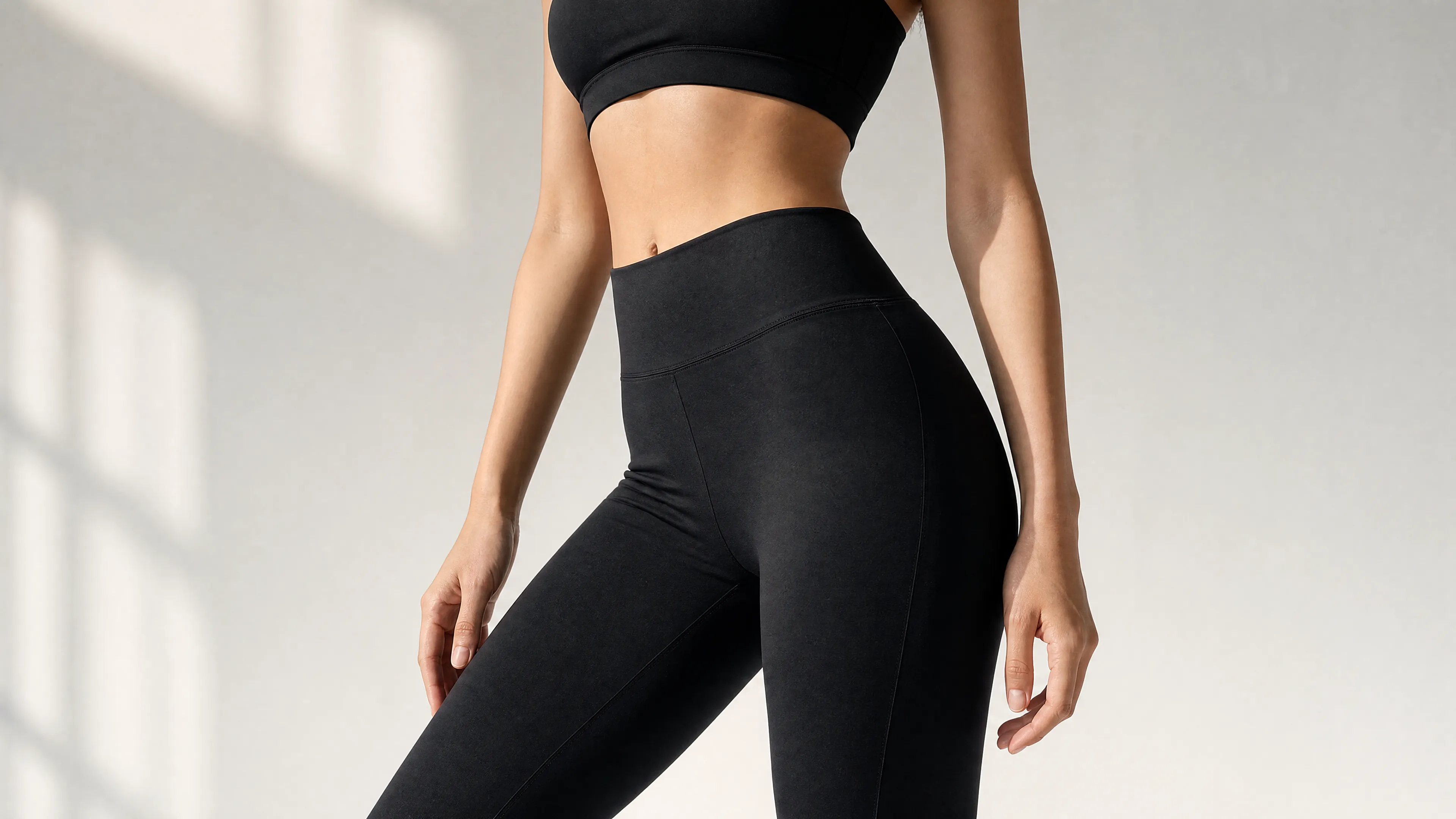
What Makes Leggings Squat-Proof? Fabric, Weight, and Construction
Opacity in deep bends depends on knit density and color — here's how to test and what to buy.

Nylon vs Polyester Activewear: Stretch, Sweat, and Durability
The most common premium activewear debate — settled with fiber facts.
Recycled Nylon (rPA) vs Virgin Nylon in Leggings: Performance and Impact
Econyl and rPA from fishing nets — similar stretch, lower virgin petroleum use.
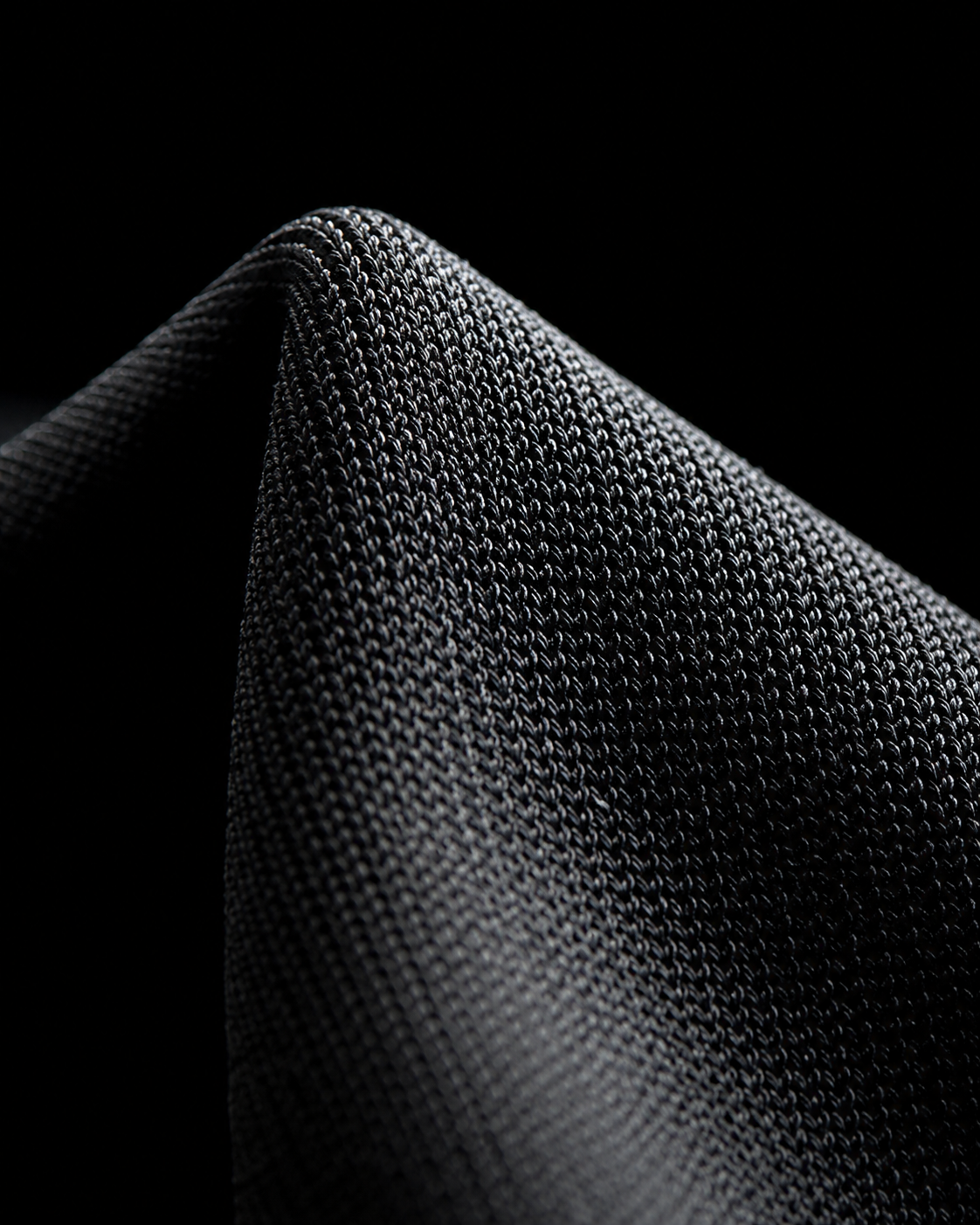
How to Prevent Pilling on Premium Leggings
Friction, washing, and fabric choice — make Lululemon, Alo, and Vuori last.
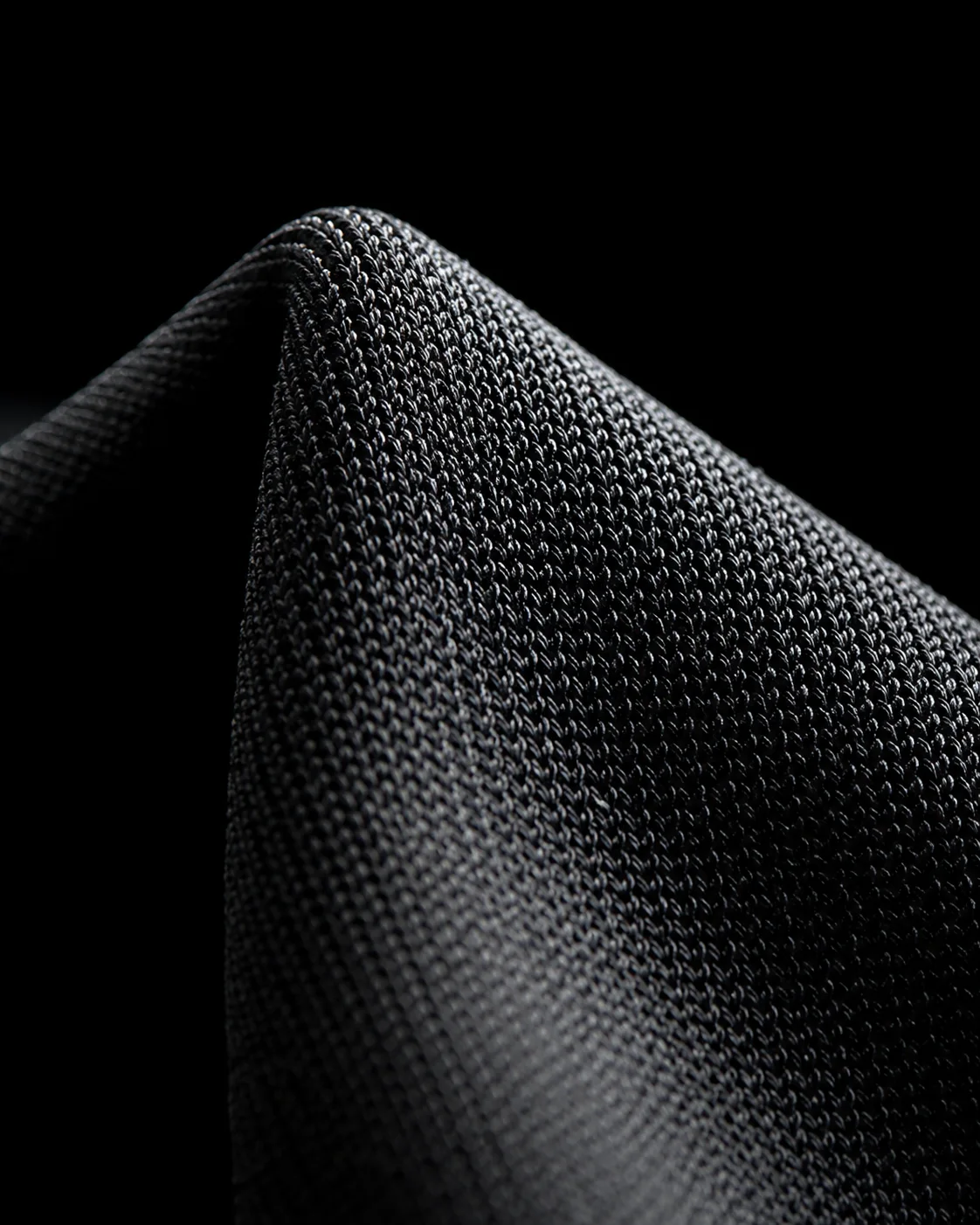
How to Wash Lululemon, Alo, and Vuori Leggings Without Ruining Stretch
Cold, gentle, no softener — brand care labels agree more than marketing admits.
Merino Wool vs Synthetic Leggings for Hot Yoga
Natural wicking vs nylon/poly performance in heated rooms.
Seamless vs Seamed Leggings: Comfort, Fit, and Performance
Fewer seams mean less chafe; more seams mean better pattern shaping.
Frequently Asked Questions
Is organic cotton really better?
Organic cotton eliminates pesticides and synthetic fertilizers, which benefits soil health and farmer safety. However, it often uses more water and land than conventional cotton. The sustainability benefit depends on specific growing conditions and whether the organic practices improve local ecosystems.
What's the problem with polyester?
Polyester is made from petroleum, doesn't biodegrade, and releases microplastics with every wash. However, it's durable, easy to recycle into new polyester, and has a lower water footprint than cotton. Recycled polyester (rPET) addresses some concerns but still sheds microplastics.
Are natural fibers always better than synthetic?
Not necessarily. Natural fibers like cotton and wool have their own environmental costs (water, land, chemicals). Synthetic fibers can be more durable and recyclable. The best choice depends on the specific materials, how the garment will be used, and what happens at end of life.